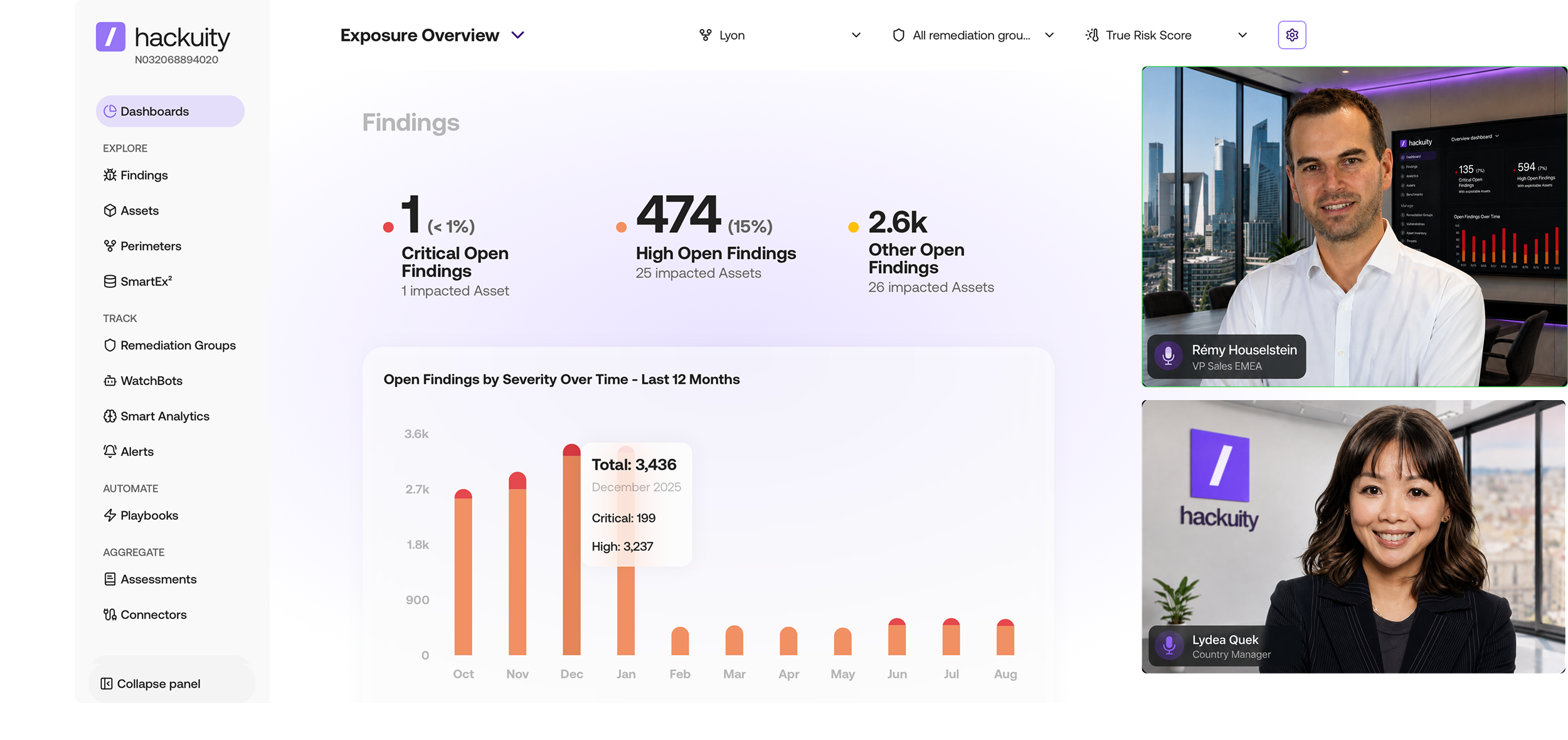












Reduce your cyber exposure by fixing what matters first.

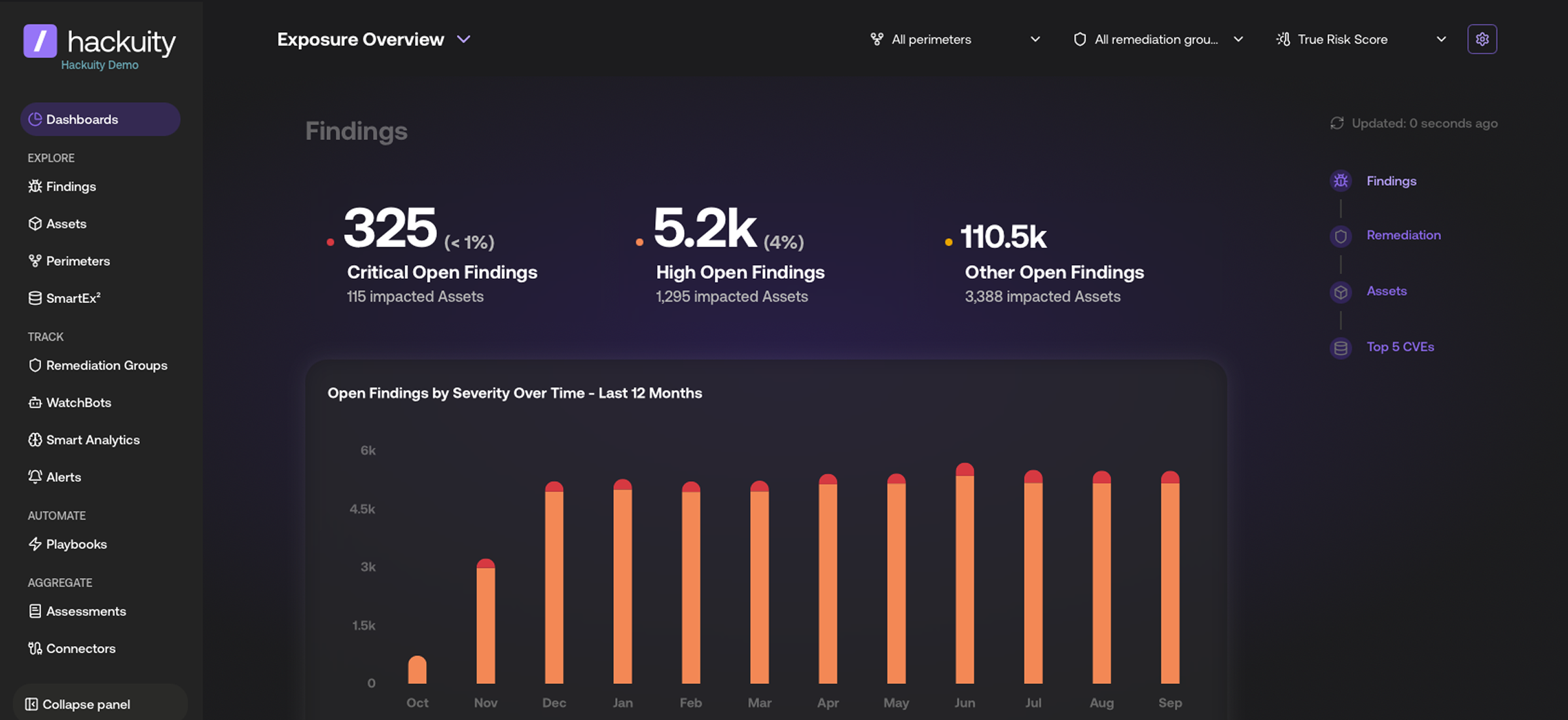


More detection. Slower remediation. Higher exposure.
350,000+
High or Critical
Widening gap
Missing clarity
6 reasons most organizations can't reduce their exposure surface.
Too many findings, no shared priority
CVSS overinflates risk
No asset context
Threat intelligence is disconnected
Remediation is uncoordinated
Progress is invisible
One prioritized view of your cyber risk
Unify your entire attack surface into one deduplicated pipeline.
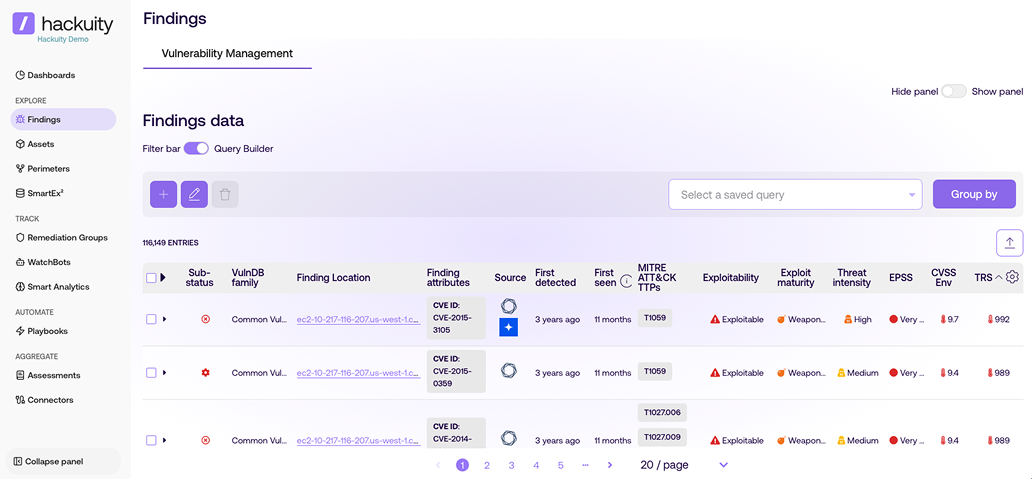
True Risk Score surfaces the 1% that requires immediate action.
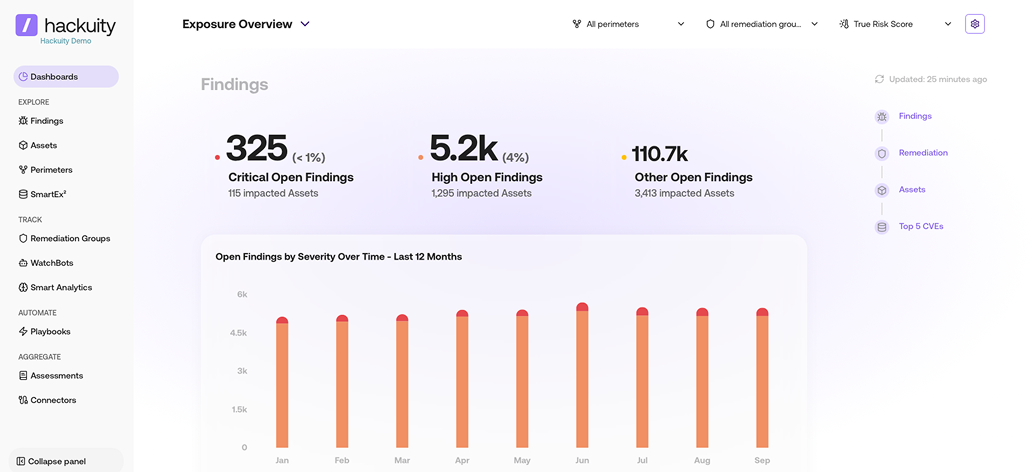
Route findings to the right teams before they become incidents.
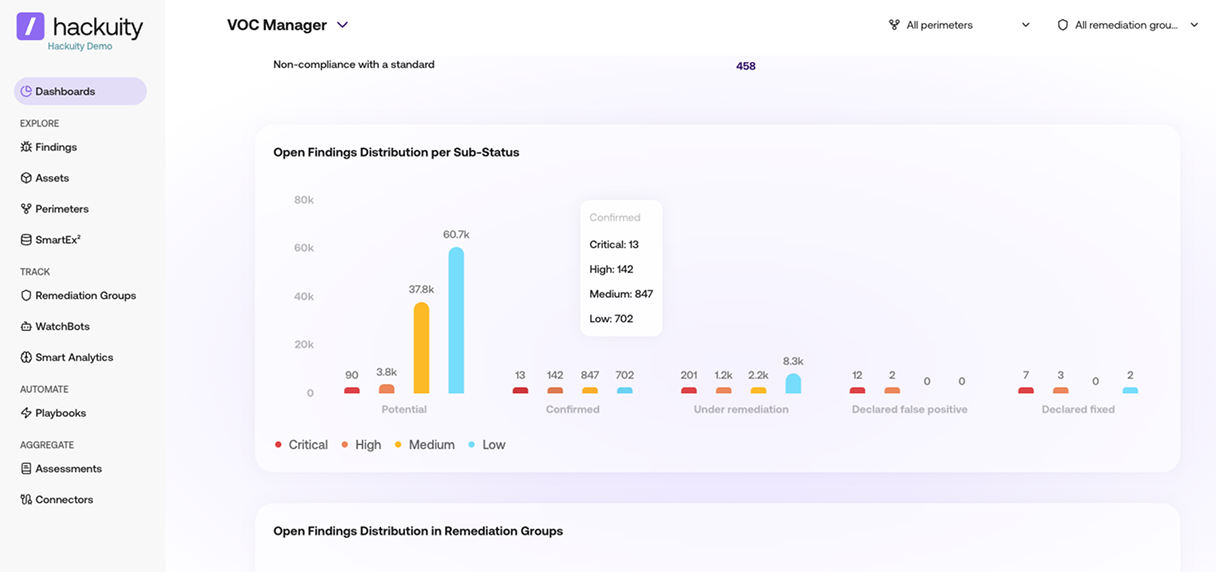
Continuous measurement of your real risk posture.
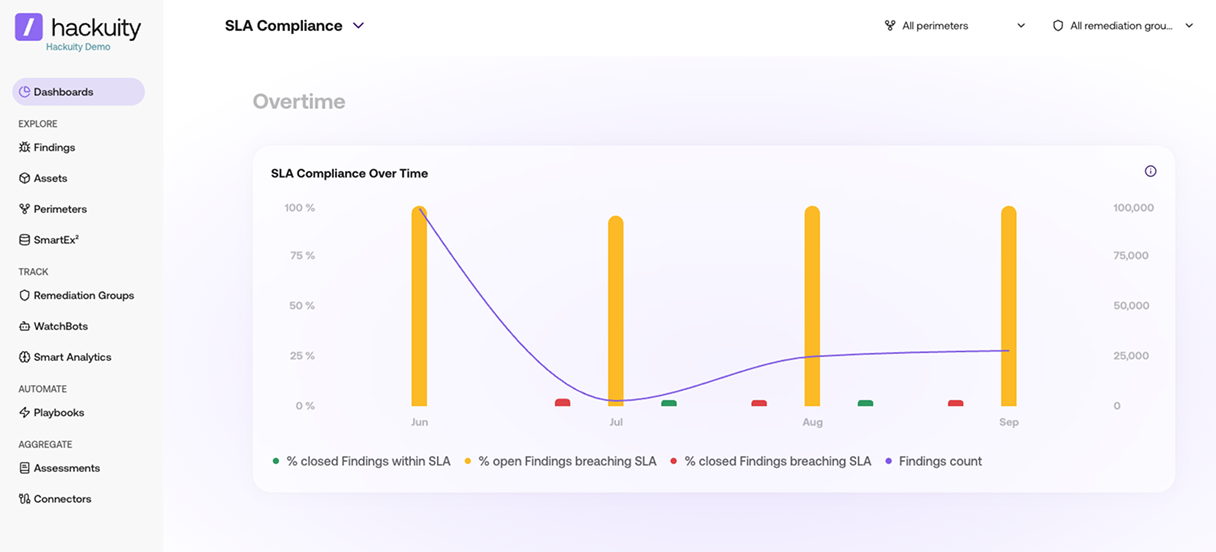
Not every critical vulnerability is equally risky.
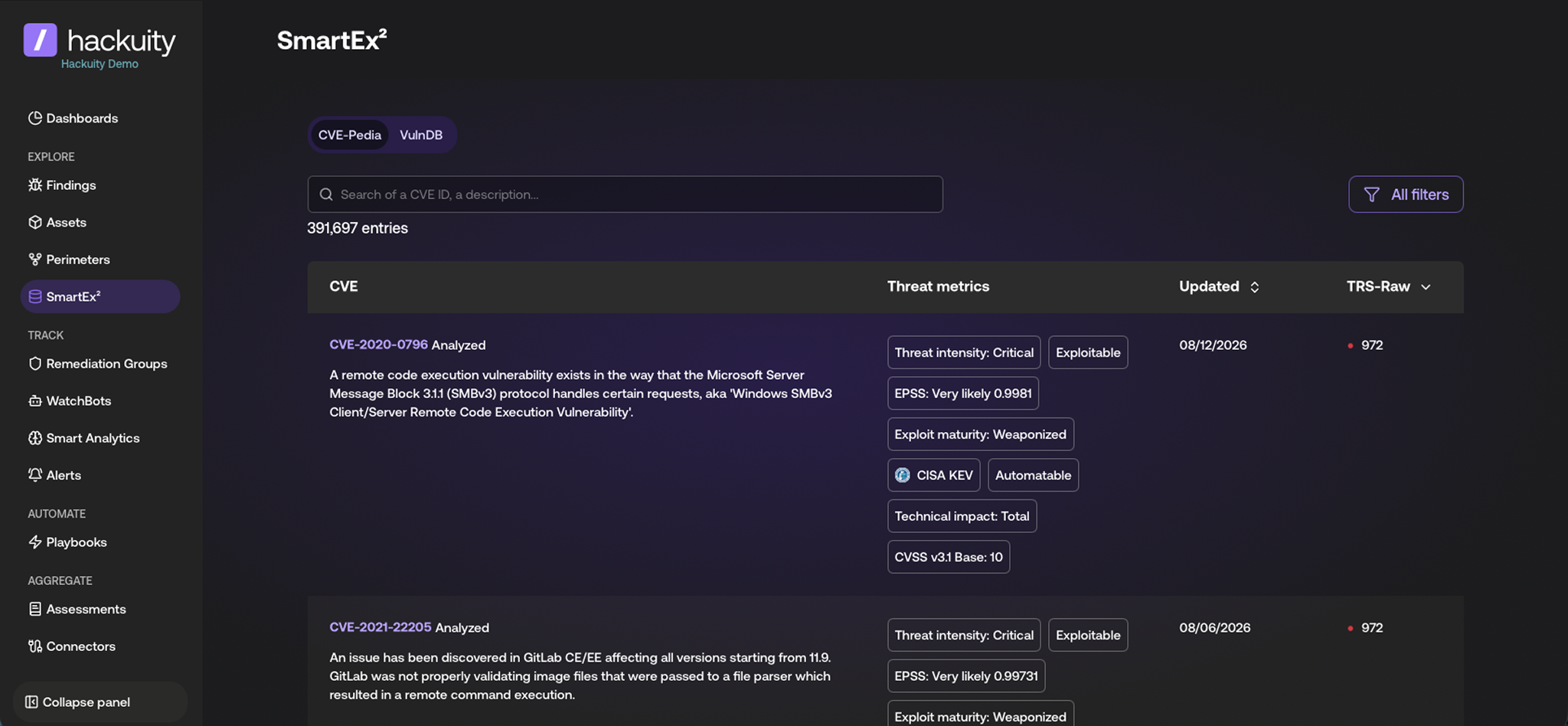
Less noise. Faster remediation. Lower exposure.
Before Hackuity | After Hackuity |
|---|---|
45,000 findings across factory/IoT, EDR, AppSec, network, and AD tools | One deduplicated pipeline across all tools and teams |
Everything rated High or Critical | ÷38 findings actually require immediate action |
No exploit context in scoring | TRS factors APT activity, KEV, EPSS, and asset criticality |
Security and IT work in silos | Findings flow automatically to the right team |
Exposure trend unknown | Real-time posture dashboard, measurable over time |
Compliance reporting is manual work | NIS2 / DORA / BOD 26-04 summaries on demand |
Trusted by leading enterprises

Recognized by leading authorities.
%201.png)






Continue building your exposure management program.
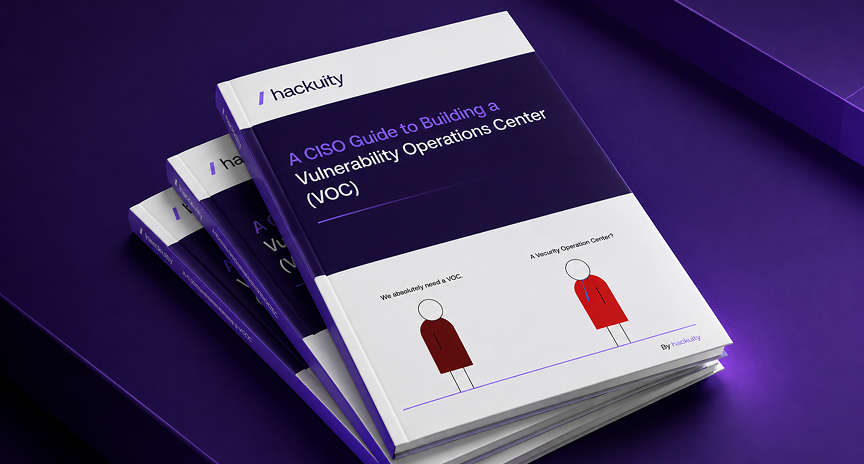
Vulnerability Operations Center
.svg)
Risk-Based Vulnerability Management
SmartEx² Vulnerability Intelligence
From RBVM to CTEM
Frequently asked questions
How does Hackuity help reduce exposure risk?


Hackuity reduces exposure risk by unifying vulnerability data, deduplicating findings, enriching them with threat and asset context, prioritizing them with True Risk Score, and routing remediation to the right teams with SLA tracking.
Does Hackuity replace our existing scanners?
Hackuity reduces exposure risk by unifying vulnerability data, deduplicating findings, enriching them with threat and asset context, prioritizing them with True Risk Score, and routing remediation to the right teams with SLA tracking.
Why is CVSS not enough to reduce exposure?
Hackuity reduces exposure risk by unifying vulnerability data, deduplicating findings, enriching them with threat and asset context, prioritizing them with True Risk Score, and routing remediation to the right teams with SLA tracking.
How does Hackuity use threat intelligence?
Hackuity reduces exposure risk by unifying vulnerability data, deduplicating findings, enriching them with threat and asset context, prioritizing them with True Risk Score, and routing remediation to the right teams with SLA tracking.
How does Hackuity help prove that exposure is shrinking?
Hackuity reduces exposure risk by unifying vulnerability data, deduplicating findings, enriching them with threat and asset context, prioritizing them with True Risk Score, and routing remediation to the right teams with SLA tracking.
Can Hackuity support NIS2, DORA, and BOD 26-04 reporting?
Hackuity reduces exposure risk by unifying vulnerability data, deduplicating findings, enriching them with threat and asset context, prioritizing them with True Risk Score, and routing remediation to the right teams with SLA tracking.
See Hackuity in action