









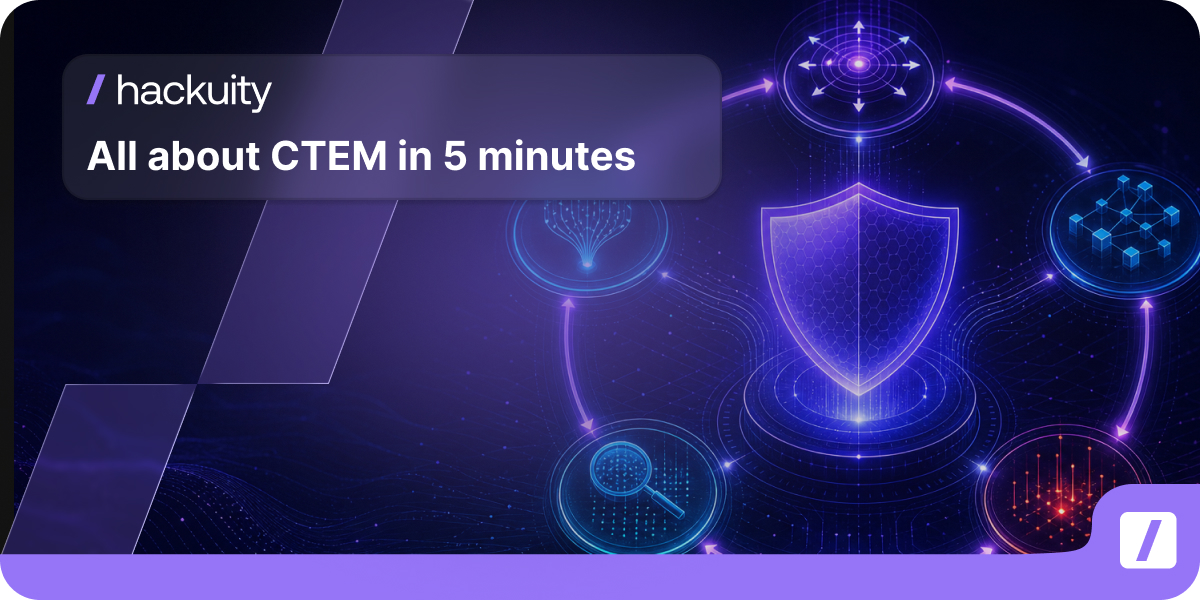
Continuous Threat Exposure Management, or CTEM, closes this gap by continuously identifying, validating, and reducing the exposures that matter most to the business.
Hackuity’s role is to help organizations turn this model into day-to-day security operations.
What is CTEM?
Gartner defines Continuous Threat Exposure Management (CTEM) as a pragmatic, systemic approach to continuously assessing the accessibility, exposure, and exploitability of an organization’s digital and physical assets.
CTEM is not about finding every weakness or treating every vulnerability equally. Its purpose is to focus assessment and remediation efforts on the assets, services, and attack paths that represent the greatest business risk.
CTEM is not a scanner, a standalone product, or a replacement for vulnerability management. It is an operating model that brings existing security capabilities together in a repeatable process for understanding exposure, validating risk, and driving remediation. This process evolves as business priorities, technology, and the threat landscape change.
What are the five stages of the CTEM lifecycle?
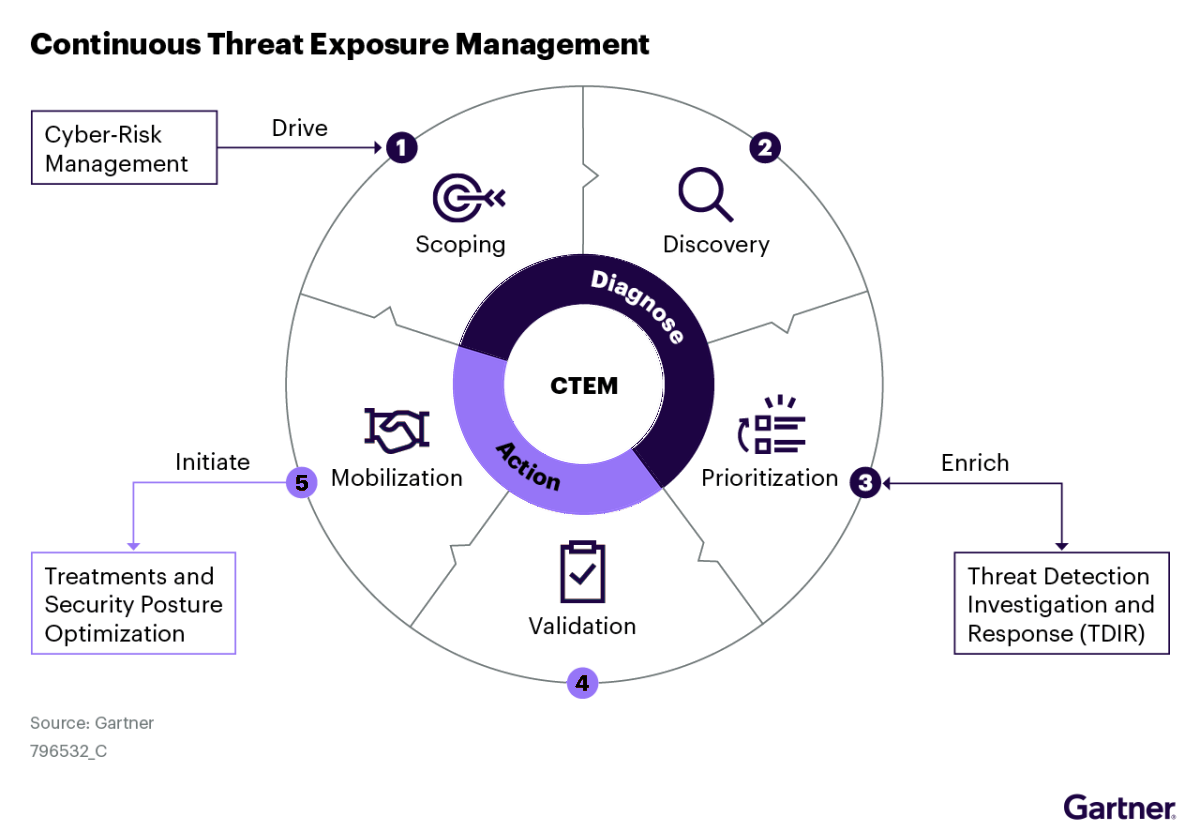
The five stages shown above describe how an Exposure Program turns exposure data into measurable risk reduction.
How does Hackuity support the CTEM lifecycle?
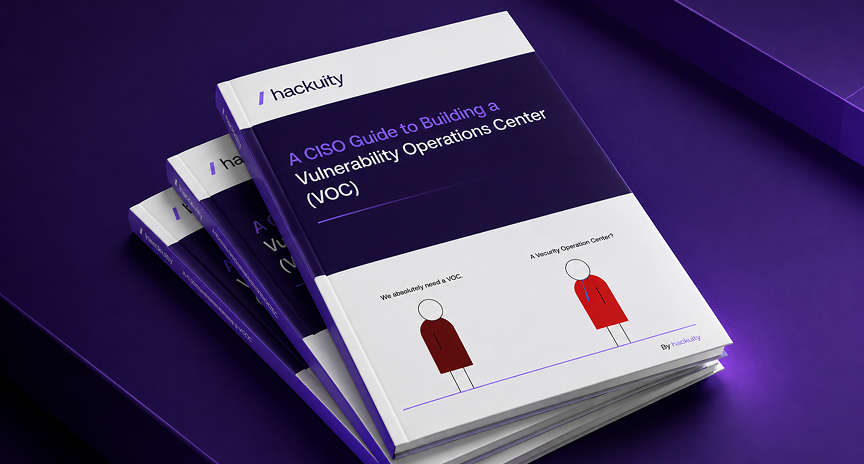
Hackuity supports this process through a Vulnerability Operation Center (VOC) approach, connecting the tools, context, decisions, and workflows needed to move from discovery to remediation.
We don’t replace scanners, attack-surface platforms, validation tools, or ITSM systems, we connect and orchestrate them, helping security teams apply the CTEM principles across their existing environment.
1. Scoping starts with understanding what matters most. Hackuity centralizes and deduplicates asset data from multiple sources and enriches it with business criticality, network exposure, and security-control context.
2. Discovery brings together findings from scanners, cloud and endpoint platforms, attack-surface tools, penetration tests, and asset inventories. Hackuity normalizes and deduplicates this data to create a unified view of exposure.
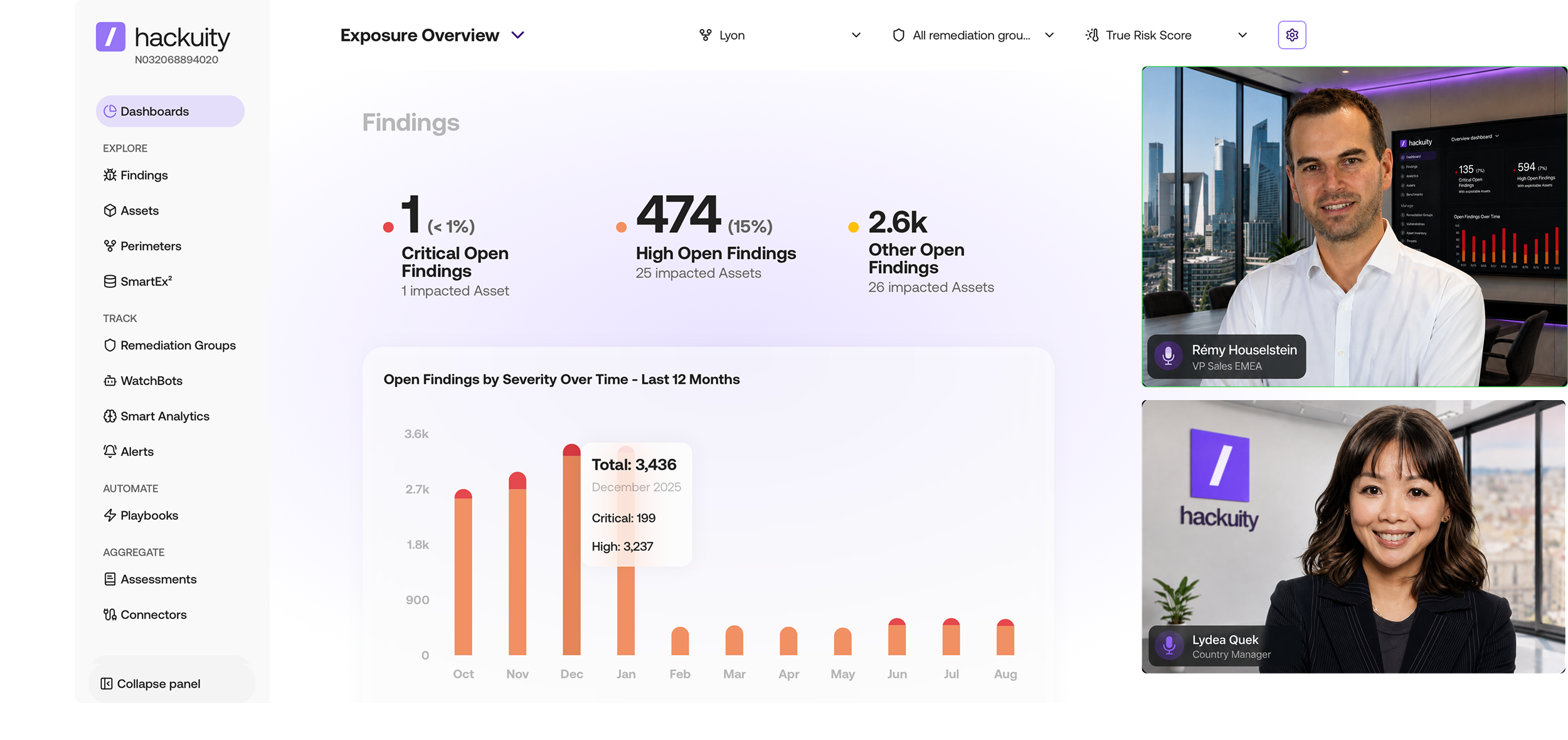
3. Prioritization identifies what should be addressed first. Hackuity’s True Risk Score combines vulnerability severity, threat intelligence, exploitability signals, and asset context to highlight the risks that matter most.
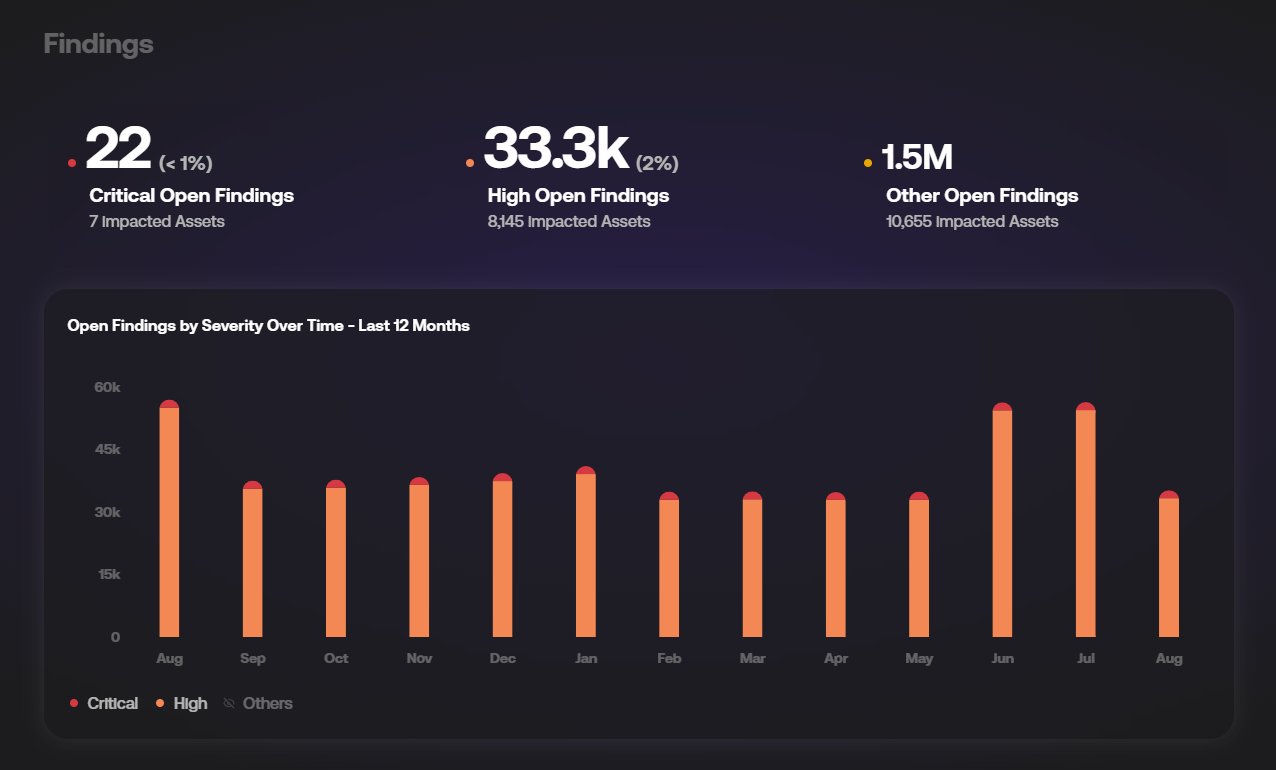
4. Validation helps determine which exposures represent a realistic threat. Hackuity brings validation results and threat context into the risk picture, helping teams distinguish theoretical weaknesses from exploitable conditions.
5. Mobilization turns priorities into action. Through remediation groups, automation, and integrations with platforms such as ServiceNow and Jira, Hackuity helps teams assign, coordinate, and track remediation work.
RBVM, the VOC model, and CTEM are complementary concepts within this approach. Hackuity continuously enhances its capabilities to help organizations implement and operate an effective Exposure Program.
CTEM vs. VM, RBVM, and Exposure Management
The terms Vulnerability Management, RBVM, CTEM, and Exposure Management are often presented as distinct stages in the evolution of security programs. From our perspective, they are better understood as complementary ways of describing the same operational objective: understanding exposure, focusing on the risks that matter, and driving effective remediation.
Each term emphasizes a different aspect of the program:
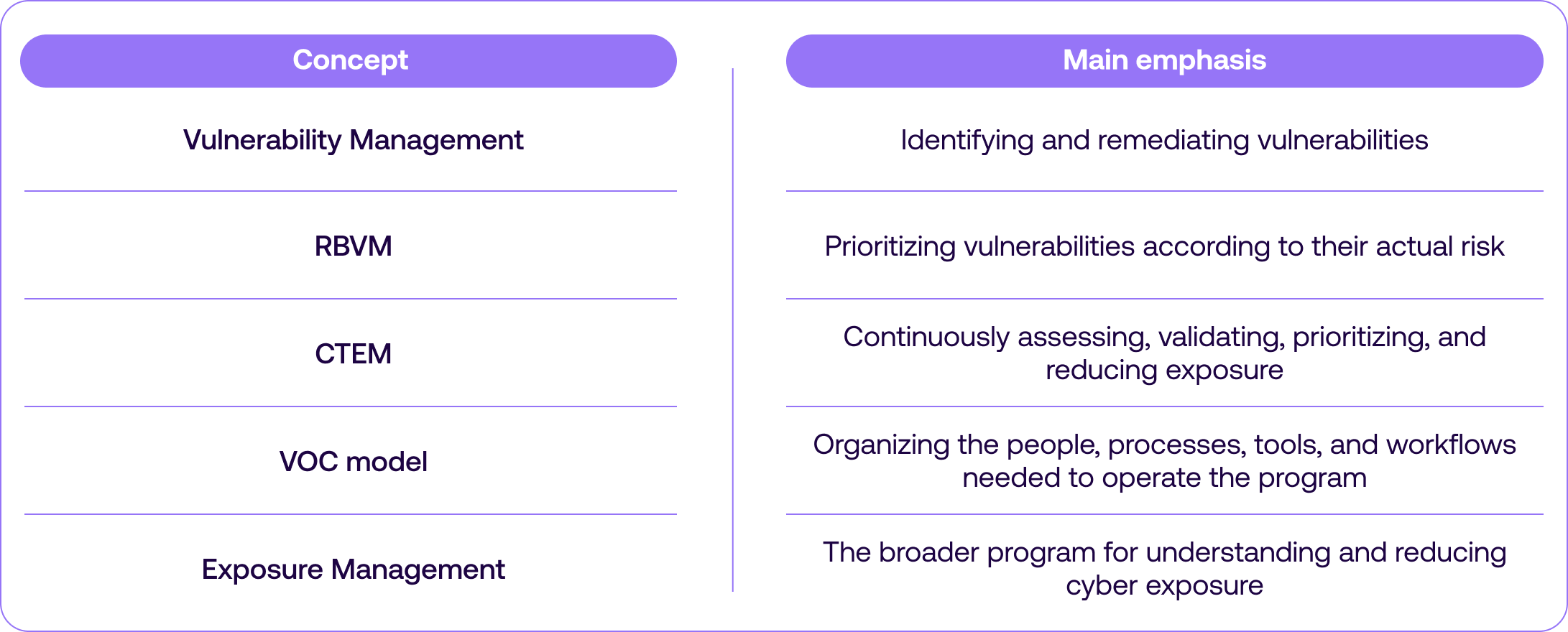
These are not competing approaches, nor does one necessarily replace another. RBVM, the VOC model, and CTEM are complementary concepts that support an effective Exposure Program.
The terminology may vary, but the goal remains the same: helping security teams turn fragmented exposure data into informed decisions, coordinated action, and measurable risk reduction.
So how do you choose the platform supporting your CTEM (or VOC) program ?
Choosing a CTEM or VOC platform is not about selecting the tool with the longest feature list, but about finding the platform that best fits your operating model, your existing security stack, and the outcomes you need to achieve.
Use the following four questions to structure your evaluation.
1. What do you need the platform to achieve?
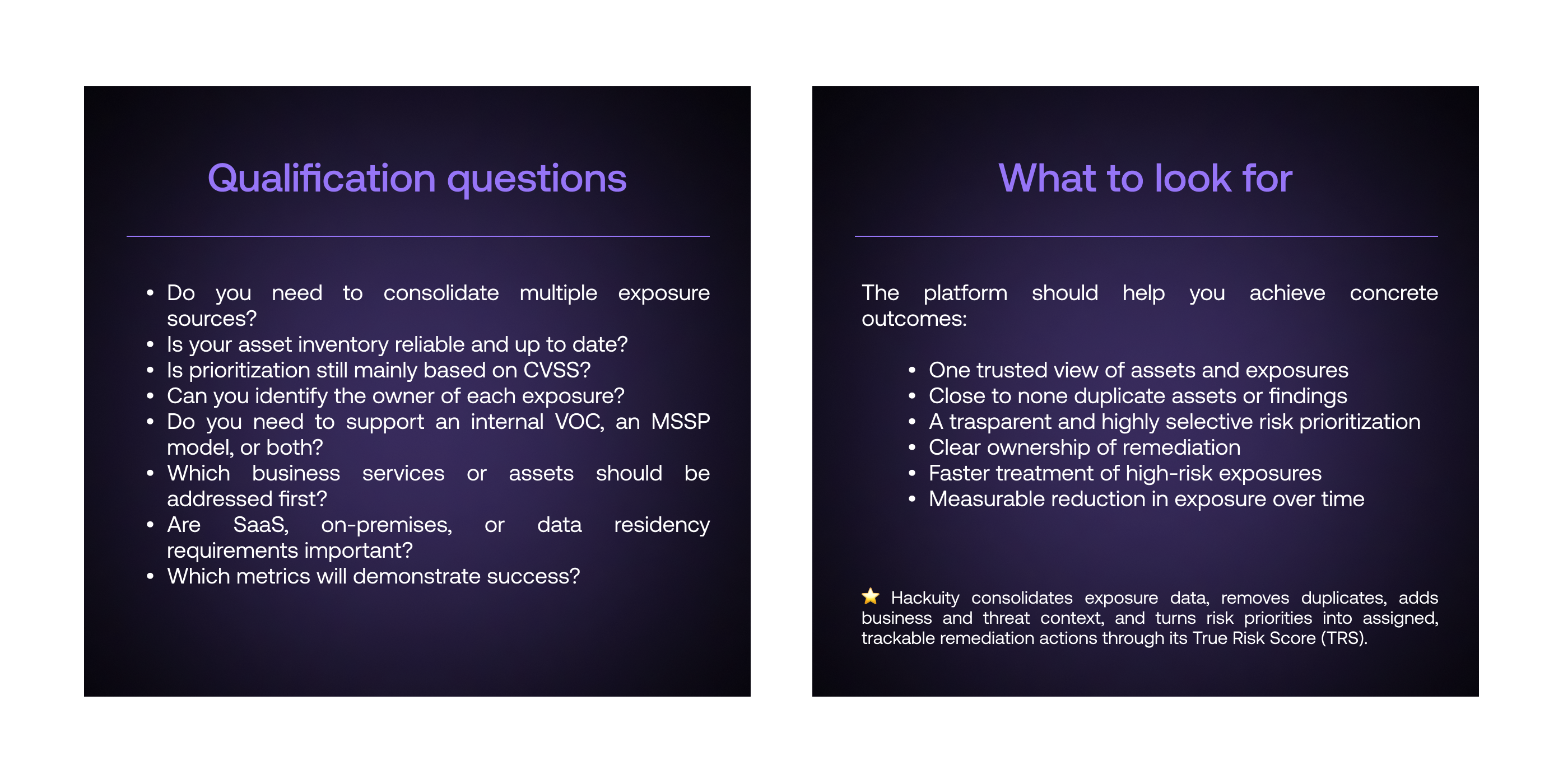
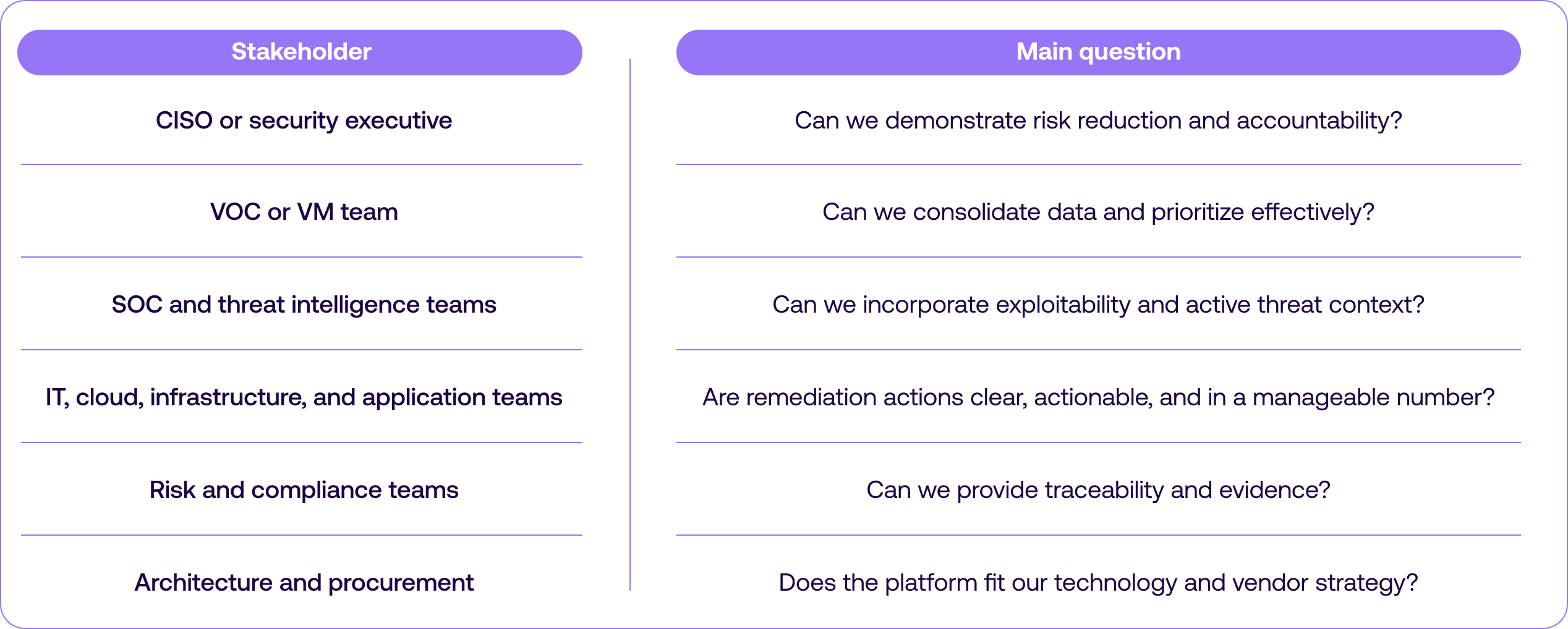
2. Who needs to be involved?
A CTEM or VOC program involves more than the vulnerability management team. The platform must support the people who analyze risk, own assets, remediate exposures, and report progress.
3. Can it integrate with your environment?
A CTEM platform should make your existing security stack more valuable, not force you to replace it unnecessarily.
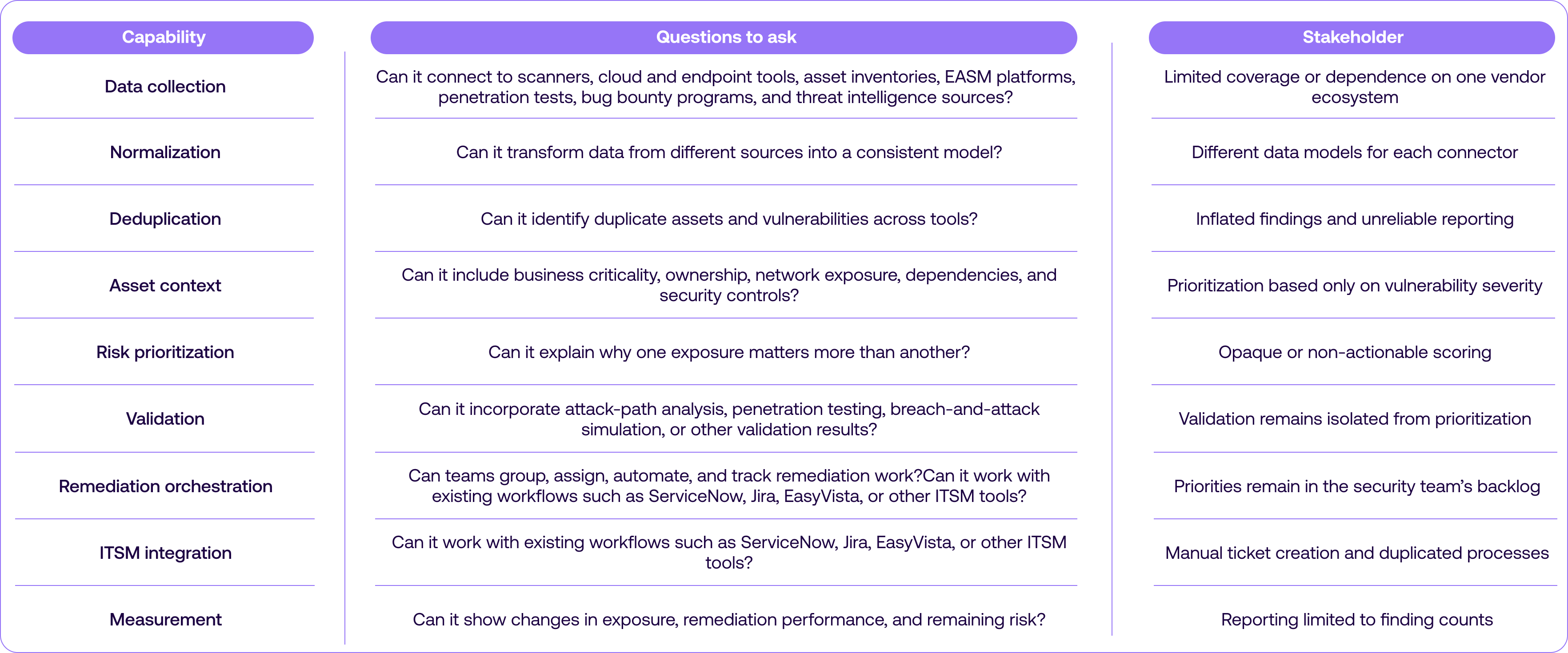
Proof-of-concept challenge: Ask each vendor to follow one critical asset from beginning to end:
Source data → normalized finding → asset context → risk score → validation → remediation action → measurable outcome
This test is more revealing than a standard product demonstration based on preconfigured data.
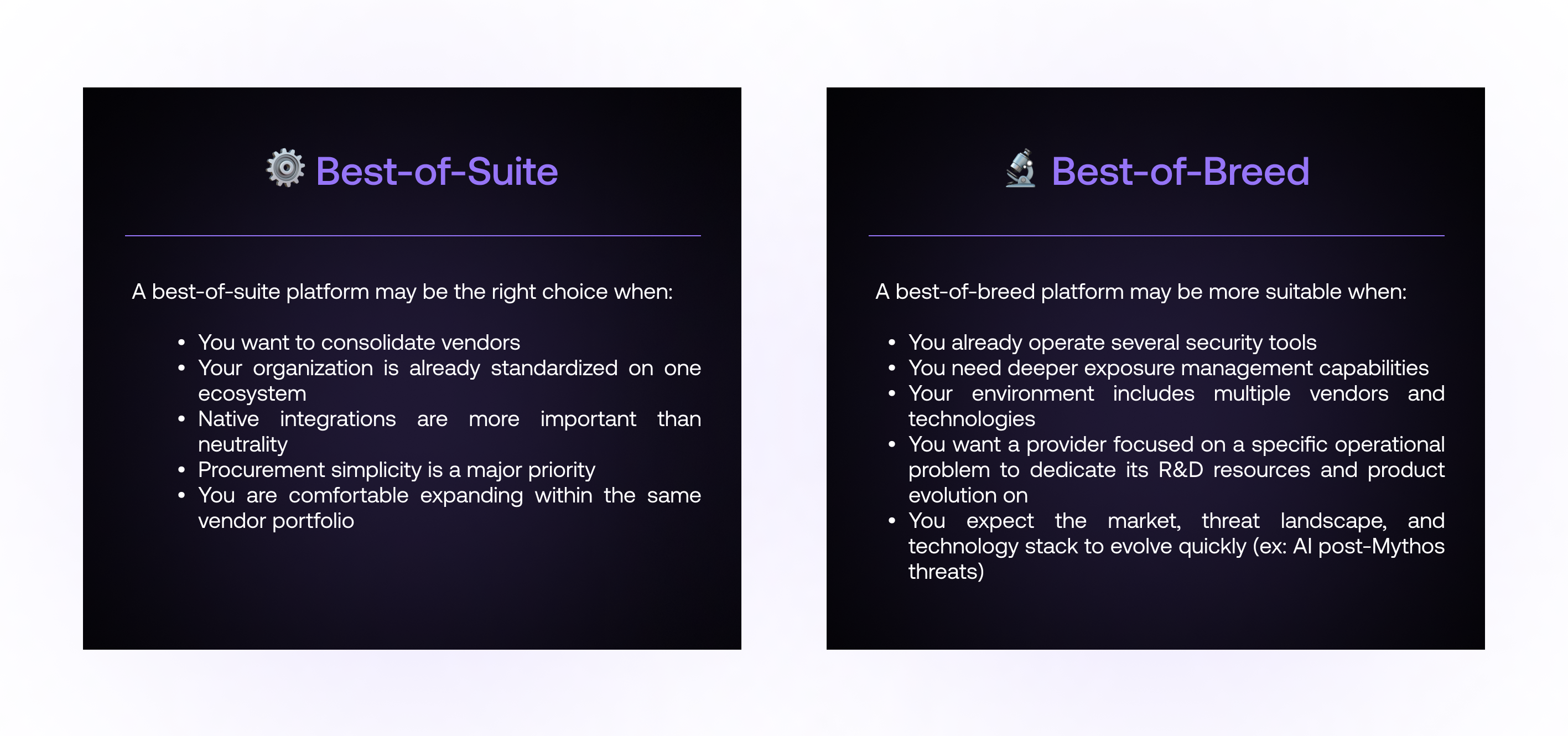
4. Does the platform’s positioning fit your strategy?
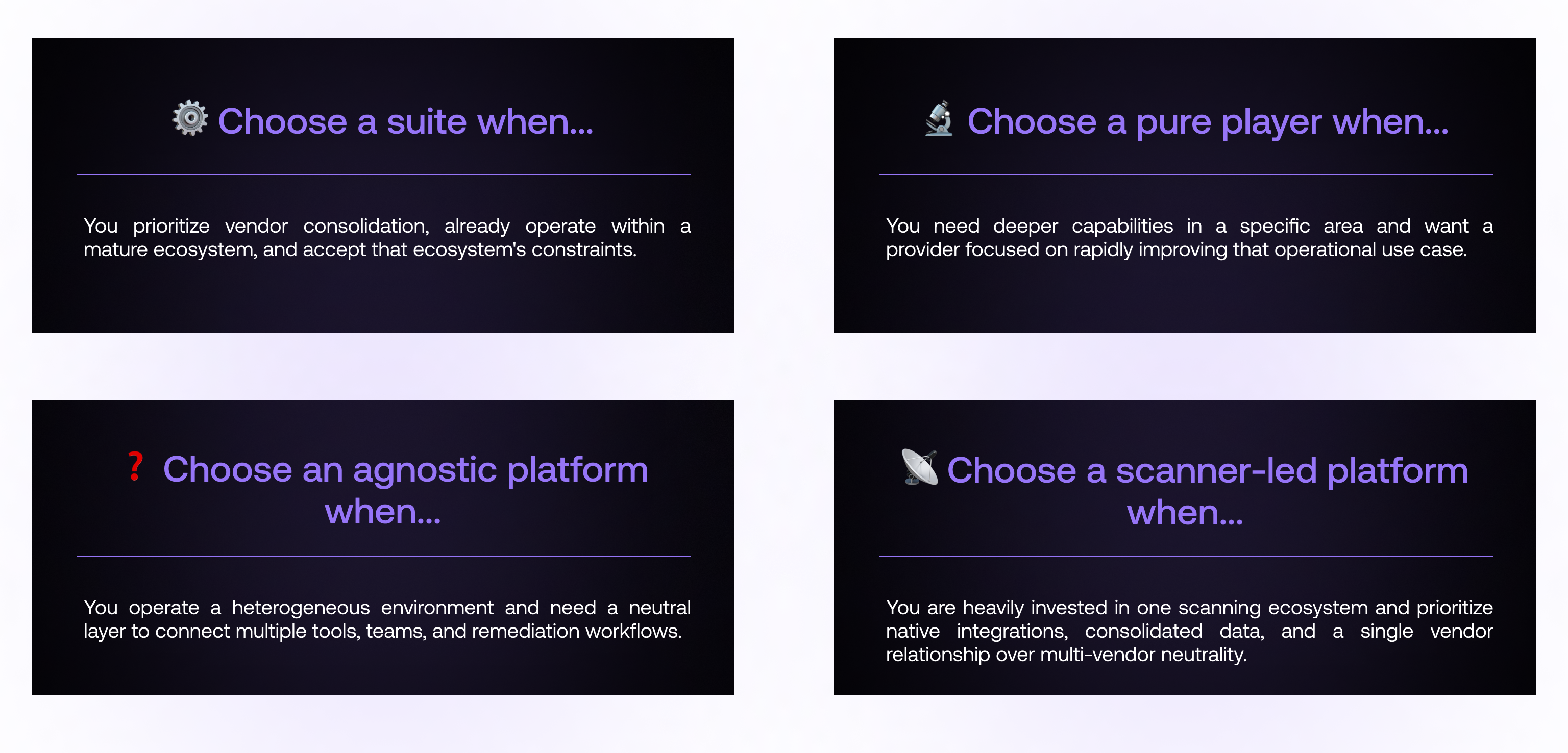
Best of suite or best of breed?
Scanner-led platform or agnostic platform?
📡 A scanner-led platform can be attractive if you want to consolidate around one vendor and use its native data, scoring, and workflows.
❓ An agnostic platform is often more relevant when:
- Several scanners are already deployed
- Different business units use different tools
- You need to preserve existing investments
- You want independent prioritization
- You want to avoid vendor lock-in
- Your security stack will continue to evolve
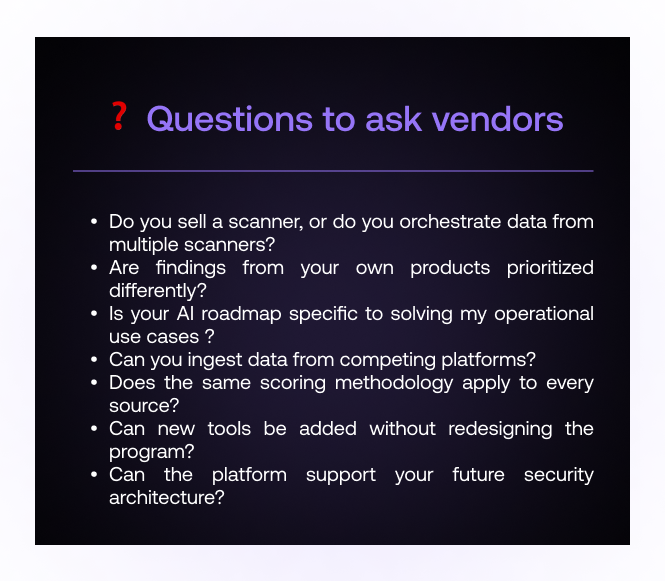
The final battlecard
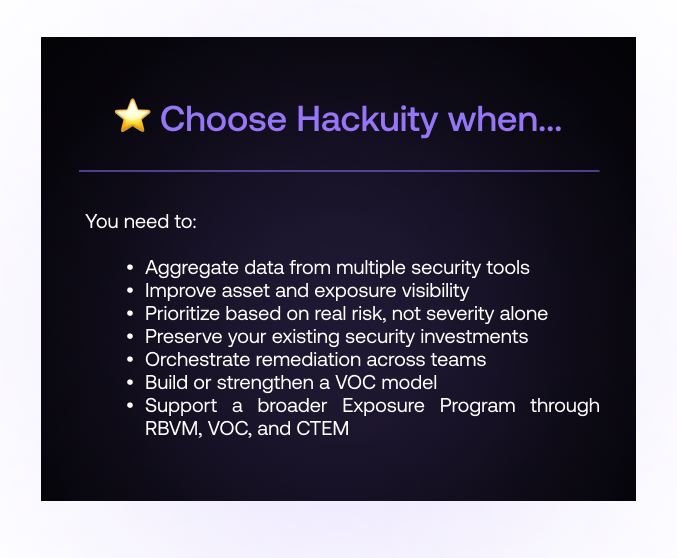
The decision test
Can the platform explain what matters, why it matters, who needs to act, and whether the action reduced exposure?
If the answer is yes, the platform can support a real CTEM or VOC program. If it only displays findings, it is another dashboard.



VR-1 | Property |
|---|---|
Model type | Post-trained cyber reasoning model |
Primary specialization | Multi-domain enterprise attack-chain discovery |
Starting condition | A scoped foothold and a concrete objective |
Operating surfaces | Cloud, identity, runtime, code, CI/CD, SaaS, and organizational context |
Success signal | Execution-verified completion of the objective |
Primary evaluation | IntrusionBench |
Preliminary result (preview) | More than 2× black-box pass@3 over the strongest evaluated frontier baseline |
Trajectory budget | Two-hour wall-clock limit per trajectory, or 250 agent turns (whichever comes first) |